Where we work
Health and Demographic Surveillance System (HDSS):
Data Collection:
Sewarth HDSS involves the continuous and systematic collection of demographic and health-related data from a well-defined population within a specific geographic area. This data is collected at regular intervals, allowing researchers to track changes and trends over an extended period.
Key Data Elements:
The data collected through Sewarth HDSS typically includes information on births, deaths, migrations, marriages, and other demographic events. Additionally, health-related data such as disease prevalence, healthcare utilization, and other relevant factors may be included in future.
Geographic Focus:
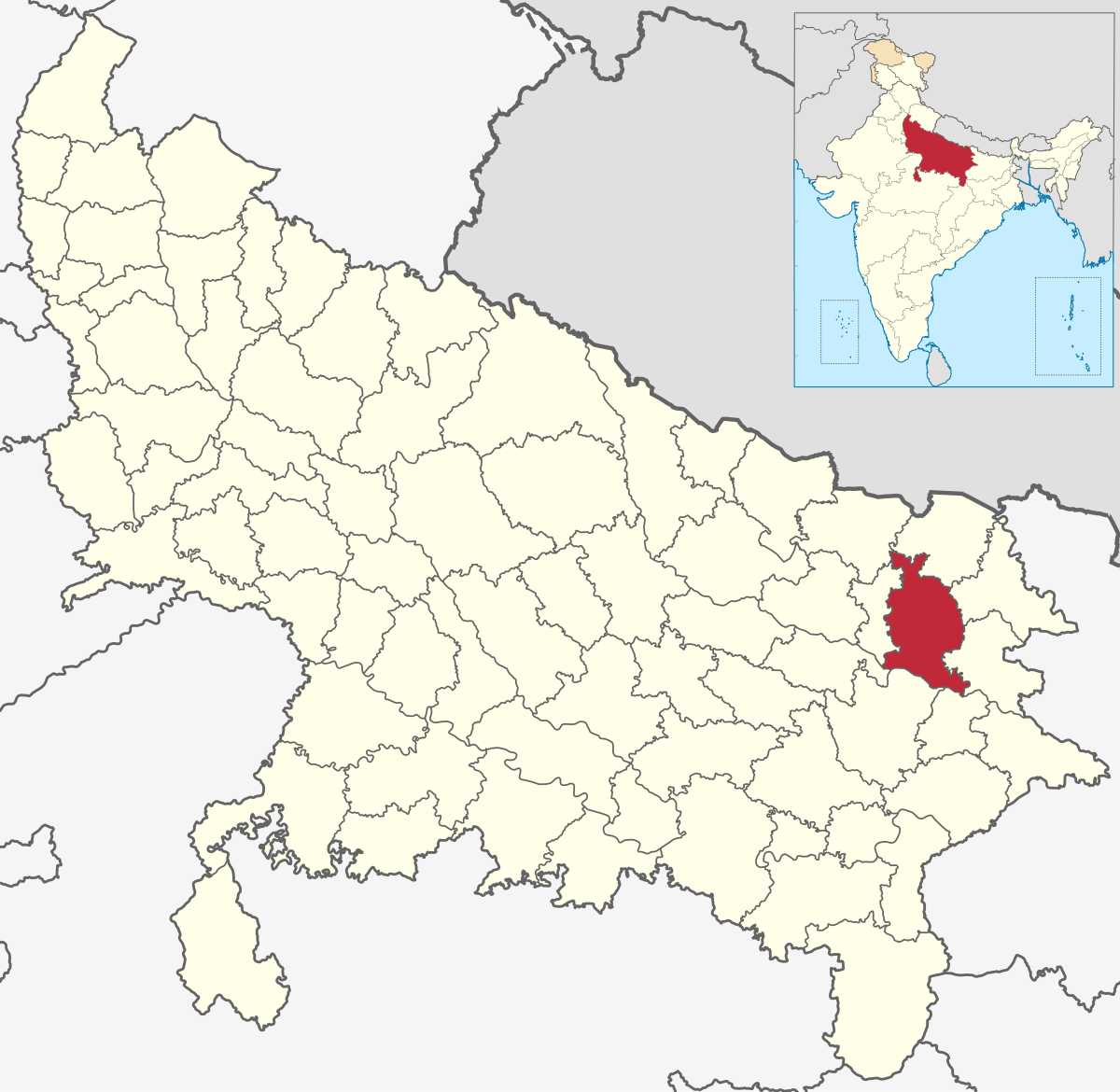
Sewarth HDSS is implemented in specific geographic areasincluding rural or urban communities, so that researchers can closely monitor a population and its health characteristics. This geographic focus allows for a more in-depth understanding of local health challenges and facilitates targeted interventions.
Community Engagement:
Sewarth HDSS is typically conducted at the community level, focusing on specific geographic areas or populations. This community-based approach allows for a more in-depth understanding of the local context and factors influencing health and demographic trends. Community involvement may include awareness campaigns, collaboration with local leaders, and addressing concerns or questions from community members. Sewarth HDSS involves strong community engagement.
Population Dynamics:
One of the primary objectives of Sewarth HDSS is to study population dynamics. Primry aim is to understand how populations change over time in terms of birth rates, death rates, migration patterns, and other demographic factors.
Health Outcomes Monitoring:
Sewarth HDSS collects detailed information on health outcomes within the selected population. This includes data on births, deaths, causes of death, illness prevalence, healthcare utilization, and other health-related indicators.
Research Applications:
Sewarth HDSS data will be valuable for a wide range of researches, including epidemiological studies, health policy evaluations,demographical health coverage and the monitoring of health interventions. Researchers as well as Goverment & Public Health Institutes can use this data to identify health disparities, assess the impact of healthcare programs, and inform evidence-based decision-making.
Epidemiological Studies:
Researchers will use Sewarth HDSS data to conduct epidemiological studies, exploring the causes and distribution of diseases within a population. This information will be crucial for designing interventions and public health programs.